

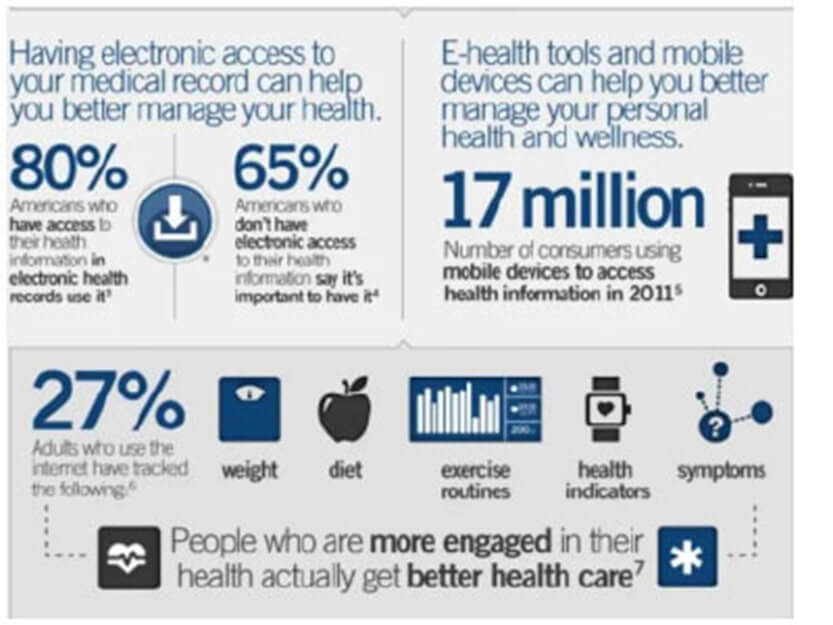
The digital transformation of healthcare is rapidly gaining momentum, and cloud-based Electronic Health Record (EHR) systems are at the forefront of this change. Traditional, on-premise EHR systems are giving way to more flexible, scalable, and secure cloud-based solutions. This shift is not just a passing trend but a fundamental change in how healthcare providers manage data, improve patient care, and drive efficiency. Cloud based systems are the best available solution to managing patient medical records particularly in an industry where large amounts of data get collected on an everyday basis and privacy, security are essential occupational hazards*1.
 *2
*2
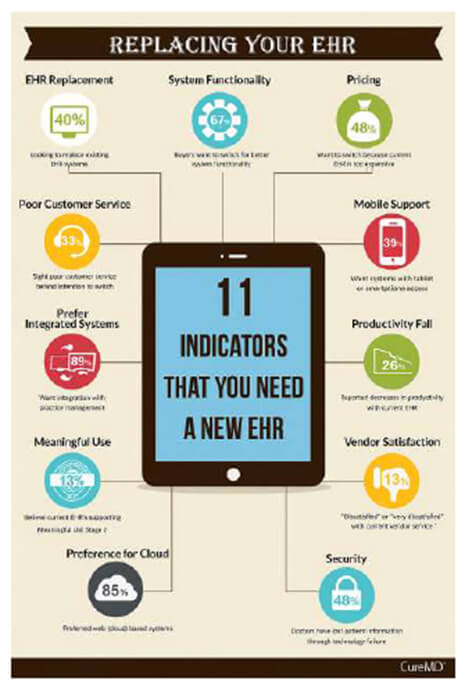
The COVID-19 pandemic was more than a global health crisis; it was a crucible for the healthcare industry's digital infrastructure. Hospitals and health systems are feeling the urgent need to modernize with over 60% of healthcare leaders prioritizing cloud-native EHR modernization*3
Cloud-based EHRs allow clinicians and staff to access patient records securely from any location, enabling real-time collaboration across departments and facilities.
Modern cloud platforms offer advanced cybersecurity features like encryption, automated backups, and disaster recovery. They also help organizations stay compliant with HIPAA and other regulations by centralizing updates and monitoring.
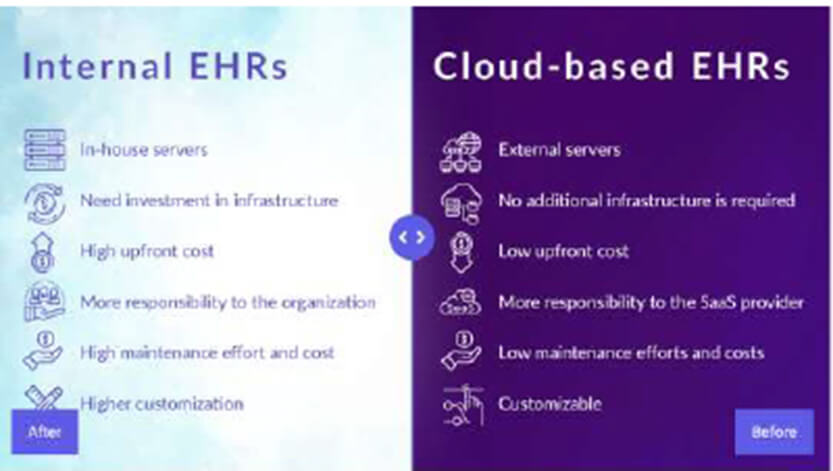
Unlike on-site systems, cloud-based EHRs scale easily with organizational growth. They reduce upfront hardware costs and shift IT spending to a predictable subscription model, making them more budget-friendly over time.
 *4
*4
The global EHR market is projected to reach over $42 billion by 2027, with cloud-based solutions leading the pack. In 2025, nearly 88% of U.S. office-based physicians had adopted some form of EHR, and cloud-native platforms are rapidly gaining market share due to their agility and resilience. The covid-19 impact continues with*5:
Governments and healthcare systems worldwide embraced digital platforms to track infection status, monitor health from home and share data. This surge in digital infrastructure significantly boosted the EHR market's revenue in 2025.
Vendors responded with tailored COVID-19 solutions, remote care initiatives and virtual continuity plans. These innovations addressed urgent clinical and operational needs.
The pandemic catalyzed demand for video and telehealth services, enabling remote diagnosis, virtual consultations, and digital prescriptions. Regulatory bodies also advanced patient data access rules to support secure, interoperable care.
 *6
*6
Cloud-based EHRs offer centralized, secure access to health data with minimal upfront costs and reduced IT maintenance. They enhance scalability, interoperability, and patient care coordination across healthcare settings*6
To summarize, Cloud-based EHRs are not just a technological upgrade-they represent a paradigm shift in healthcare delivery. By improving accessibility, enhancing security, and reducing costs, they empower providers to deliver better, faster, and safer care. As healthcare continues to evolve, cloud-native systems will be the backbone of a more connected, efficient, and patient-centric future.